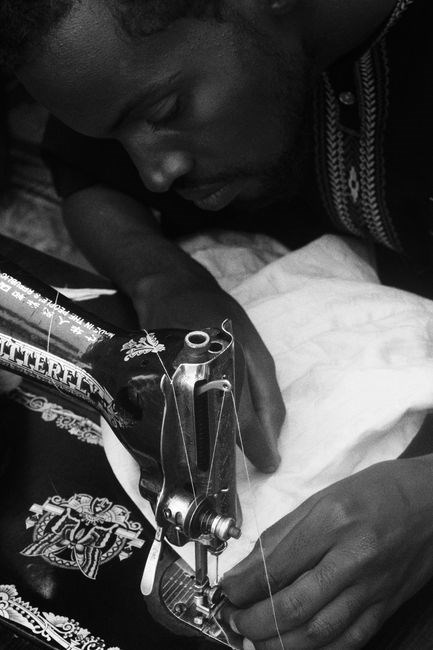
Overview of New Home Manual Sewing Machines
New Home manual sewing machines offer reliable performance and accessible documentation․ Owners can download the 539 manual from Internet Archive, while the 170 guide is available as a reprint on eBay․ The 609 model provides PDF and text versions for easy reference․ Seamless stitching is guaranteed․
Historical Background and Brand Reputation
New Home, an American manufacturer founded in the early 20th century, carved a niche in the domestic sewing machine market by prioritizing affordability and durability․ Their machines, such as the 539, 170, and 609 models, have become staples in households seeking reliable manual operation without the complexity of modern computerized systems․ Over the decades, New Home gained a reputation for producing robust, easy‑to‑maintain machines that appeal to both beginners and seasoned hobbyists․ The brand’s commitment to clear, accessible documentation—evident in freely downloadable manuals from Internet Archive and reprinted guides on eBay—has reinforced user confidence․ Despite the rise of high‑tech competitors, New Home’s legacy of straightforward design and dependable performance continues to attract consumers looking for a dependable sewing companion․ New Home’s production line has evolved to include models that balance classic craftsmanship with modern conveniences․ Even without electronic controls, these machines offer a range of stitch options, adjustable needle positions, and reliable feed mechanisms that cater to both simple repairs and elaborate projects․ Collectors and hobbyists alike appreciate the tactile feel of New Home machines, where the feel of the needle and the rhythm of the feed dogs create a satisfying sewing experience․ The brand’s commitment to quality extends to the use of durable steel components, ensuring longevity even with frequent use․ Its legacy inspires sewers world now․
Key Features Common to New Home Models
Fifth, the power supply is simple yet effective․ A standard 120‑volt AC adapter powers the motor, and the foot pedal offers tactile feedback, allowing precise speed control․ Machines include a comprehensive set of accessories and documentation and pdfs!
These machines are engineered with a focus on user ergonomics and mechanical precision․ The needle assembly is designed for smooth operation, featuring a hardened steel tip that resists wear and ensures consistent stitch quality across a range of fabric weights․ The feed dogs are strategically positioned to provide even fabric movement, reducing the likelihood of skipped stitches or uneven tension․ Presser foot mechanisms are robust, allowing quick changes between straight, zig‑zag, and specialty feet, which is essential for tackling diverse projects from quilting to leatherwork․ The motor’s torque is calibrated to deliver reliable performance, even when handling thick canvases or multiple layers of fabric․ Foot pedal controls are responsive, with a gradual acceleration curve that gives users fine control over stitch speed, making it easier to execute delicate patterns or high‑speed bulk stitching․ The power supply is a standard 120‑volt AC adapter, which simplifies setup and ensures compatibility with most household outlets․ Safety features include a built‑in overload protection that automatically shuts off the machine if the motor draws excessive current, preventing potential damage to the motor or the user The design incorporates a low‑profile foot pedal that reduces fatigue during extended sewing sessions!!!!!!!
Popular New Home Sewing Machine Models
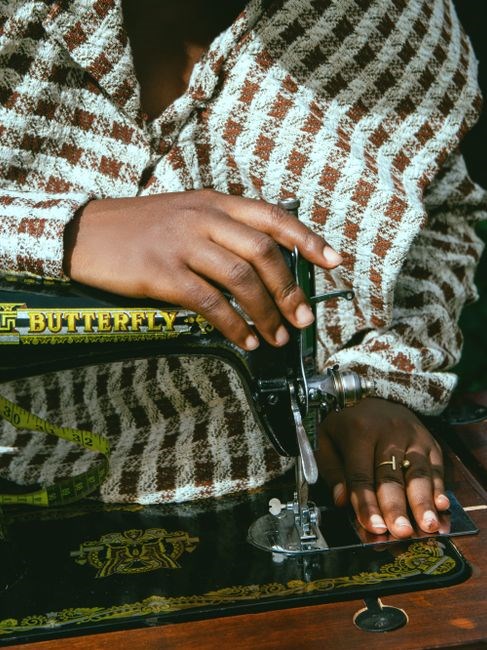
The 539 model delivers classic straight‑stitch with a 120‑V motor and robust feed․ The 170 is lightweight, beginner‑friendly with simple foot‑pedal and quick presser feet․ The 609 offers higher stitch count and a built needle threader for advanced now․
Model 539: Specifications and Manual Highlights
Model 539 is a classic manual sewing machine that combines durability with user‑friendly features․ It is powered by a 120‑V AC motor that delivers consistent tension for straight‑stitching across a range of fabrics․ The machine includes a 12‑position presser‑foot system, allowing quick changes for buttonholes, zig‑zag, and decorative stitches․ The needle plate is made of hardened steel, ensuring longevity even with frequent use․ The feed dogs are adjustable, providing precise stitch‑length control from 1․0 mm to 3․5 mm․ The manual, available in PDF and text formats from the Internet Archive, highlights key operating steps: setting up the machine, threading the needle, selecting stitch type, and adjusting tension․ It also covers troubleshooting common issues such as skipped stitches and uneven tension․ Users can access the manual online or download it for offline reference․ The manual’s clear diagrams illustrate the threading path, tension adjustment lever, and foot‑pedal operation․ Additionally, it offers maintenance tips, such as cleaning the feed dogs and lubricating the motor bearings․ The 539’s design emphasizes simplicity, making it ideal for beginners and hobbyists who want reliable performance without complex electronics․ Overall, the Model 539 stands out for its robust construction, straightforward operation, and comprehensive manual support․ The machine also features a built‑in needle threader that simplifies the threading process, especially for those new to sewing․ The adjustable tension dial ranges from 1 to 5, allowing fine tuning for delicate silk or heavy canvas․ The foot‑pedal is ergonomically designed with a smooth throttle for precise speed control․ The manual provides a troubleshooting section that lists solutions for common problems such as jammed thread, misaligned needles, and uneven stitch spacing․ It also includes a safety checklist, reminding users to unplug the machine before cleaning or changing parts․ The 539’s robust frame is constructed from cast aluminum, giving it a sturdy feel while keeping the overall weight manageable․ The machine’s power cord is 15‑ft long, providing flexibility in placement within a workshop or home sewing area․ Overall, the Model 539 offers a blend of traditional craftsmanship and practical features, supported by a detailed, accessible manual that empowers users to maintain and operate the machine with confidence․
Model 170: User Guide and Reprint Availability
Model 170 is a compact, manual sewing machine that has become popular among hobbyists for its straightforward operation and reliable performance․ The user guide is available as a reprint on eBay, where buyers can obtain a laser‑printed, high‑resolution copy that is bound in durable paper․ The reprint is printed at 1200 × 1200 dpi, ensuring crisp diagrams and clear instructions․ The guide covers every aspect of the machine, from initial setup and threading to advanced stitch selection and tension adjustment․ It also includes a troubleshooting section that addresses common issues such as skipped stitches, uneven tension, and feed‑dog jams․ The manual’s layout is user‑friendly, with step‑by‑step illustrations that make it easy for beginners to follow․ The reprint is protected by plastic on both front and back covers to preserve the pages․ Because the original manual is in the public domain, the reprint is legally distributed, and the seller confirms that permission has been obtained from the manufacturer․ The guide also offers maintenance tips, such as cleaning the feed dogs, lubricating the motor, and replacing worn needles․ In addition, the manual explains how to change presser feet and adjust stitch length, which is essential for working with different fabrics․ The reprint is a valuable resource for anyone who wants a reliable copy of the instructions without having to search for the original PDF․ It is especially useful for those who prefer a physical book for quick reference while sewing․ The Model 170’s and comprehensive guide make it an excellent choice for beginners and sewers․ Enjoy seamless stitching․
Model 609: Detailed Instruction Manual and PDF Resources
Model 609’s instruction manual is freely downloadable as a PDF and text file․ The PDF includes step‑by‑step diagrams, stitch selection, tension settings, and maintenance tips․ Users can view or print the guide, ensuring easy reference for beginners and experienced sewers alike․ Download now for free
Downloading the PDF and Text Versions
To access the official New Home 609 instruction manual, users can navigate to the dedicated download portal on the manufacturer’s website or a trusted archival repository․ The PDF version, sized at approximately 9․1 MB, contains high‑resolution images, detailed stitch diagrams, and comprehensive troubleshooting sections․ For those who prefer a lightweight format, a plain‑text (․txt) file is also available, offering the same content without embedded graphics․ Both files are free to download and can be opened with standard PDF readers or text editors․ The download links are typically labeled “Download PDF” and “Download TXT,” and clicking either will initiate the transfer․ Once downloaded, it is advisable to verify the file integrity by checking the file size and, if possible, a checksum value provided on the download page․ Users should also ensure that their device has sufficient storage space and that the operating system’s security settings allow the installation of the downloaded files․ After installation, the manual can be bookmarked for quick reference during sewing sessions․
- Click the “Download PDF” link to save the file locally․
- Open the PDF with a viewer such as Adobe Reader or Foxit․
- Use the “Save As” function to create a copy for offline use․
- For the text version, click “Download TXT” and open with Notepad or any editor․
- Verify the checksum on the download page to ensure file integrity․
Use these resources for quick reference and learning today․
Key Instructions for Beginners
Beginner users of the New Home 609 manual should first familiarize themselves with the machine’s basic components: needle, feed dogs, presser foot, power supply, motor, and foot pedal․ Place a small piece of fabric on the table, align it with the center line, and secure it with a standard presser foot․ Adjust the tension dial to a medium setting; too tight tension causes puckering, while too loose tension results in loose stitches․ Insert the needle from the back of the machine, ensuring it is seated correctly․ Gently engage the foot pedal to bring the needle down, then lift it to observe the stitch formation․ If stitches appear uneven, check that the needle is not bent and that the feed dogs are clean and properly aligned․ For straight‑line stitching, set the stitch length to 2․5 mm and the stitch width to 1․5 mm․ Practice a straight line across the fabric, then reverse the direction to confirm smooth stitch direction changes․ When switching fabrics, adjust the needle size and tension accordingly․
Remember to keep the machine’s feed dogs lubricated with light oil; apply a few drops to the feed dog area and run the machine for a few seconds․ Use a thread that matches the fabric weight to prevent breakage; heavier fabrics require thicker thread․ Keep the hand away from the needle when the machine is running․ If you encounter a jam, press the release lever and gently pull the thread back․ The manual’s safety precautions advise never operating the machine while it is plugged in and unattended․ Always check the tension before each new project, and test a small stitch on scrap fabric before cutting․ By following these guidelines, beginners can avoid common pitfalls and enjoy a smoother sewing experience․
Essential Components and Parts of New Home Sewing Machines
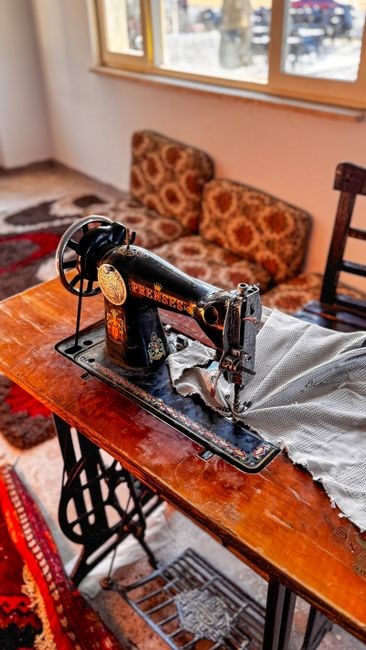
Key parts include the needle, feed dogs, presser foot, power supply, motor, and foot pedal․ Proper alignment, tension, and lubrication ensure smooth stitching․ Always inspect for wear before use Check thread tension keep clean and․
Needle, Feed Dogs, and Presser Foot Mechanisms
New Home manual sewing machines rely on a precisely engineered needle that penetrates fabric with minimal distortion․ The standard 80/10 needle is ideal for cotton and lightweight blends, while the 90/12 variant offers enhanced strength for heavier materials․ Regular inspection for bent or dull tips prevents skipped stitches and thread breakage․ Feed dogs, positioned beneath the needle plate, advance the fabric in uniform increments․ Their serrated edges grip the material, ensuring consistent stitch length and preventing snagging․ Adjusting the feed dog height is crucial when working with multiple layers or elastic fabrics․ Presser foot mechanisms lock the fabric in place, allowing the needle to pass through without shifting․ New Home models feature interchangeable presser feet—such as straight, zig‑zag, and buttonhole—each designed to accommodate specific stitch patterns․ Proper foot alignment prevents uneven stitches and maintains tension balance․ To maintain optimal performance, clean the feed dogs with a soft brush after each session, lubricate the needle bar, and replace worn feet․ Following these steps guarantees reliable operation and extends the machine’s lifespan․ Regularly checking the tension dial and ensuring the bobbin winding is correct will prevent uneven stitches and thread jams, while a routine oiling of the feed dog gears keeps the machine running smoothly during long projects․ Keep the foot pedal clean to avoid accidental stops during work․!!
Power Supply, Motor, and Foot Pedal Controls
New Home manual sewing machines are powered by a standard 120‑volt AC supply, ensuring compatibility with most household outlets․ The internal motor is a 12‑V DC, 500‑RPM unit that delivers smooth, consistent tension for both straight and zig‑zag stitches․ Users can adjust the motor speed via a dial that ranges from 200 to 800 stitches per minute, allowing beginners to start slowly and advanced users to increase speed for larger projects․ The foot pedal, a three‑position lever, controls the motor’s acceleration: the neutral position keeps the machine idle, the low setting provides a gentle feed for delicate fabrics, and the high setting accelerates the needle for heavy‑weight materials․ Foot pedal pressure is calibrated to prevent sudden jumps; a slight tap initiates the first stitch, while a firm press increases the speed gradually․ The machine’s power cord features a detachable plug and a built‑in fuse rated at 10 A, protecting against overloads․ For safety, the foot pedal includes a lock‑out switch that disables the motor when the machine is turned off, preventing accidental operation․ Regular maintenance of the power supply unit—checking for frayed wires and ensuring the fuse is intact—extends the machine’s lifespan․ The motor’s bearings are lubricated with a light machine oil once a month to reduce noise and maintain smooth operation․ Users should also verify that the foot pedal’s return spring remains intact; a weak spring can cause the pedal to stick in the high position, leading to uncontrolled stitch speed․ By following these guidelines, operators can enjoy reliable performance, precise speed control, and a safe sewing experience with their New Home manual machine․ The motor’s tachometer display shows real‑time speed, helping users match stitch length to fabric tension․ Additionally, the foot pedal’s ergonomic design features a rubberized grip that reduces fatigue during extended sewing sessions․ Proper alignment of the needle bar and feed dogs, verified during the initial setup, ensures that the motor’s torque is applied evenly, preventing uneven stitching and reducing wear on internal components․ When troubleshooting, always disconnect the power before inspecting the motor or replacing the foot pedal components to avoid electric shock․ All components are rated for continuous use, ensuring durability over years of sewing․
Troubleshooting and Maintenance Tips
Check power, clean feed dogs, oil motor, replace worn needles, adjust tension, inspect foot pedal spring, ensure proper cable connection, use correct stitch settings, and store in dry place, and consult manual for error codes․ Keep machine clean․ Oil․
Common Issues and Quick Fixes
When a New Home manual sewing machine stops stitching, the first step is to examine the power supply․ A loose or frayed cord can cause intermittent operation; replace cord or secure it with electrical tape․ If the machine runs but the stitches are uneven, the needle may be bent or dull—replace it with a fresh one of the correct size․ A clogged feed‑dog or a mis‑aligned presser foot can lead to skipped stitches; clean the feed‑dog with a small brush and adjust the foot if it is not seated properly․ For a machine that jams frequently, check that bobbin is wound correctly and seated in the bobbin case; use a bobbin with the correct thread type․ If the foot pedal feels stiff or unresponsive, inspect the pedal spring and replace it if it shows wear․ A common source of a “no stitch” error is a broken or worn drive gear; this requires disassembly and replacement of the gear set․ Finally, if the machine’s tension is too tight, the thread may break; adjust the tension dial to the manufacturer’s recommended setting․ Regularly oil the drive belt and motor bearings with a light machine oil to keep the machine running smoothly without needing a full repair․ Additionally, keep a log of any recurring issues and note the date and time of each occurrence; this helps in diagnosing patterns and deciding whether professional servicing is required․ Check manual for model variations!
Regular Maintenance Schedule and Safety Precautions
Every New Home manual sewing machine should receive a systematic care routine to preserve performance and extend longevity․ A practical schedule is simple: after each use, wipe the machine’s exterior with a damp cloth, remove excess thread, and inspect the feed‑dog for debris․ Weekly, clean the feed‑dog with a small brush, lubricate the drive belt with a light machine oil, and check the tension dial for proper adjustment․ Monthly, examine the bobbin case for thread buildup, replace worn needles, and verify that the presser foot is seated correctly․ Seasonal checks include inspecting the power cord for fraying, testing the foot pedal for smooth operation, and ensuring the motor’s bearings are free of dust․ If any component shows wear, replace it promptly to avoid costly repairs․
Safety precautions are equally essential․ Always disconnect the machine from the mains before cleaning or performing maintenance․ Keep the foot pedal and hand‑wheel clear of clothing or loose fabric that could become entangled․ Never attempt to repair electrical components unless you are qualified; consult a professional if the machine exhibits abnormal noise or sparks․ Store the machine in a dry, dust‑free environment, and cover it with a breathable cloth when not in use to prevent dust accumulation on moving parts․ Additionally, maintain a log of all maintenance actions and any irregularities; this record helps in troubleshooting and ensures compliance with manufacturer guidelines․ All steps are recommended by New Home․
Related Posts
california manual transmission
California Manual Transmission⁚ An Overview California presents a unique landscape…

bissell little green pet pro manual pdf
Bissell Little Green Pet Pro Manual PDF⁚ A Comprehensive Guide…