
This guide explains how to evaluate hot water heater efficiency, covering key metrics, cost implications, and environmental impact. It offers concise steps for selecting models that balance performance with savings, ensuring optimal comfort and reduced utility bills. Save energy, reduce bills. Now!!!
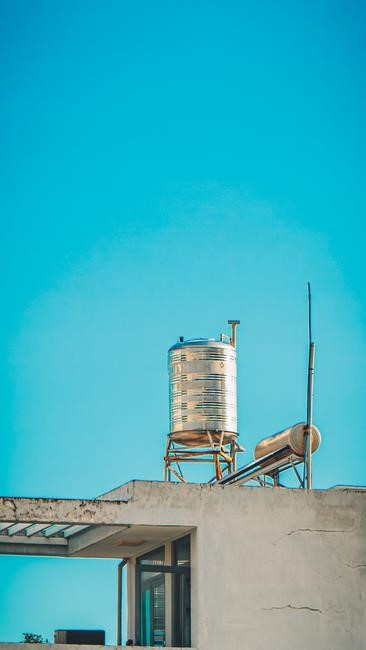
Understanding Hot Water Heater Basics
Explore core concepts: types, mechanisms, and efficiency metrics. Learn how storage, tankless, and heat‑pump units convert energy, and how standby losses affect bills. This foundation helps choose the right system for savings and comfort. Start saving !!.
1.1 Types of Hot Water Heaters
Choosing between these options involves evaluating upfront costs, expected lifespan, and maintenance demands. Tank models typically cost less initially but incur higher operating expenses due to standby losses. Tankless units require larger electrical or gas capacity and offer higher efficiency, but they can be more expensive to install. Heat‑pump heaters provide superior seasonal efficiency but may need a larger installation footprint. Solar systems reduce long‑term fuel costs but depend on climate and roof space. Hybrid designs combine the strengths of multiple technologies, offering flexible operation and improved overall efficiency. Check yearly
1.2 How They Work
In this guide, we break down the core mechanisms behind common hot water heater types. A traditional storage tank stores a fixed volume of water and uses a heating element or gas burner to keep it at a set temperature. The element cycles on and off, maintaining a constant supply for showers, dishes, and laundry. Tankless or on‑demand units heat water only when a faucet opens; a sensor detects flow and activates a high‑power burner or electric element, delivering instant hot water without a storage vessel. Heat‑pump or air‑source units extract ambient heat from the air or ground and transfer it to the water, operating at 3–4 times the electrical input as thermal output, which dramatically reduces energy use. Solar thermal collectors capture sunlight on a flat‑plate or evacuated tube array, heating a fluid that circulates through a heat exchanger in the tank, thereby supplementing or replacing conventional heating. Hybrid systems combine a heat‑pump or gas element with a storage tank, switching between sources based on temperature, demand, and energy cost, influencing overall energy performance. By understanding the operational principles and comparing performance metrics such as energy factor, standby loss, and recovery rate, homeowners can select a heater that aligns with their usage habits, budget constraints, and environmental goals, ultimately achieving reliable hot water while minimizing energy consumption and carbon footprint. Such informed choices support long‑term savings reduce household emissions!
1.3 Key Energy Metrics
Key energy metrics help homeowners compare hot water heaters beyond simple price tags. The Energy Factor (EF) measures overall efficiency, calculated as the ratio of useful energy output to energy input over a year. A higher EF indicates less energy wasted during standby or recovery. Standby loss, expressed in BTU per hour, quantifies heat lost from the tank when no water is drawn; lower standby loss means better insulation and reduced standby consumption. Recovery rate, measured in gallons per hour or kWh per hour, shows how quickly a unit can replenish hot water after a draw, keeping showers uninterrupted while minimizing energy spikes. For tankless models, the Uniform Energy Factor (UEF) accounts for varying flow rates and ambient temperatures, providing a more realistic efficiency estimate. Heat‑pump units are rated by the Heating Seasonal Performance Factor (HSPF) for cooling and the Energy Efficiency Ratio (EER); these metrics reflect the ratio of heat output to electrical input. Solar thermal systems use the Solar Fraction, the proportion of hot water supplied by solar energy, indicating how much conventional energy is offset. Finally, the Seasonal Energy Efficiency Ratio (SEER) for hybrid systems captures overall seasonal performance. By evaluating EF, standby loss, recovery rate, UEF, HSPF, EER, Solar Fraction, and SEER, consumers can objectively assess which heater delivers the long‑term savings lower utility bills reduced environmental impact. Installers can also evaluate the Coefficient of Performance (COP) for heat‑pump units to fine‑tune system sizing and anticipate seasonal variations. By comparing these metrics side by side, buyers can identify which models achieve the lowest annual kilowatt‑hour consumption while meeting their hot water demand. Energy savings lower utility bills reduce carbon footprint!
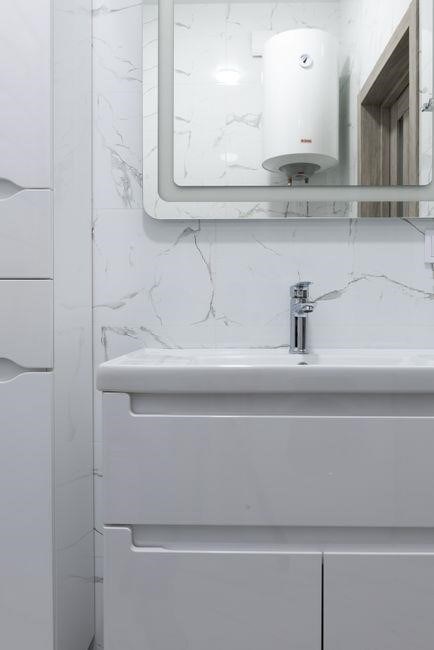
Factors Affecting Energy Efficiency
Efficiency hinges on tank size, insulation, and usage patterns. Larger tanks raise standby loss, while poor insulation lets heat escape. Frequent draws spike recovery energy, and high flow rates demand more power. Optimizing these factors cuts bills and emissions. Proper sizing matches demand, cut now.
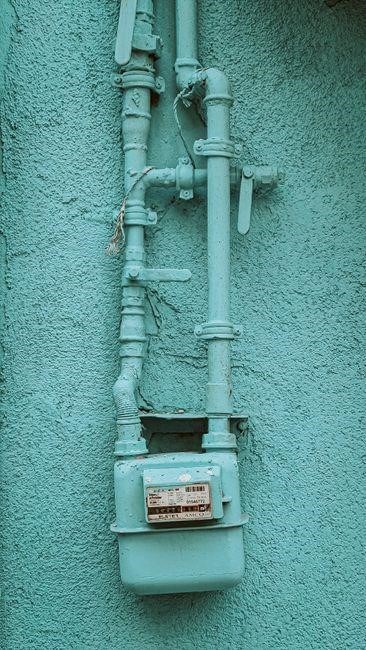
2.1 Tank Size and Demand
Choosing the correct tank volume is critical for balancing energy use and hot‑water availability. A 50‑gal tank may suffice for a small family, but it can leave you short during peak showers, forcing the unit to cycle more often and consume excess energy. Conversely, a 80‑gal tank reduces cycling but increases standby losses, especially if the unit is oversized for the household’s daily draw. The ideal size is determined by calculating the peak simultaneous demand—usually the sum of all fixtures that can be used at once plus a safety margin. Energy‑efficient models often feature variable‑speed pumps and smart thermostats that adapt to real‑time usage, mitigating the penalties of a larger tank. When sizing, consider the average daily hot‑water consumption, the number of bathrooms, and the typical duration of showers. A well‑matched tank reduces the number of heating cycles, lowers standby heat loss, and improves overall system efficiency. Additionally, proper insulation of the tank’s outer shell can offset some of the standby losses associated with larger volumes. Ultimately, matching tank size to actual demand ensures that the heater operates within its most efficient range, minimizing wasted energy and extending the unit’s lifespan. By integrating a timer or a smart home system that records usage patterns, homeowners can schedule high‑energy tasks during off‑peak hours, further reducing operational costs and extending the heater’s lifespan, while ensuring that hot water is always available when needed. It cuts carbon, more.
2.2 Insulation and Heat Loss
Proper insulation of a hot‑water tank is one of the simplest yet most effective ways to curb energy waste. The U.S. Department of Energy estimates that a 50‑gal tank can lose up to 20% of its heat each day if it is poorly insulated. High‑density foam blankets, typically rated at R‑value 9 or higher, wrap the tank’s exterior, creating a thermal barrier that slows heat transfer to the surrounding air. In addition to the blanket, the tank’s inlet and outlet lines should be insulated with flexible sleeves to prevent conductive losses during water flow. For electric models, a 2‑inch thick insulation sleeve on the heating element can reduce standby losses by 10–15%. Gas units benefit from a double‑layered outer shell that reflects radiant heat back into the tank, improving the overall thermal efficiency. Installing a thermostat that monitors the tank’s temperature and triggers heating only when the water drops below a set threshold can further reduce unnecessary cycling. Moreover, placing the tank in a location with minimal exposure to drafty rooms, basements, or unheated spaces helps maintain a stable ambient temperature, reducing the demand on the heating element. Finally, regular maintenance—checking for leaks, ensuring the blanket is intact, and cleaning the tank—keeps the insulation performing at peak levels. By investing in quality insulation and smart temperature controls, homeowners can cut utility bills, lower carbon footprint, and extend their hot‑water heater’s life.
2.3 Water Usage Patterns
Water usage patterns are a key driver of hot‑water heater demand and, consequently, energy consumption. Peak loads typically occur during morning and evening routines—showering, washing dishes, and laundering—when households require large volumes of hot water in short bursts. By shifting high‑volume tasks to off‑peak hours, such as running the washing machine at 4 p.m. instead of 7 a.m., users can reduce the number of heating cycles, thereby saving energy. Low‑flow fixtures, including showerheads and faucet aerators, cut the volume of hot water needed, directly lowering the heater’s workload. Installing a smart water meter that records real‑time flow rates helps identify leaks or inefficient habits; data can reveal hidden consumption spikes. Seasonal adjustments also matter: in winter, insulating water pipes prevents heat loss, while in summer, lowering the tank’s temperature set‑point by 5–10 °F can avoid overheating and excess standby losses. Educating household members about “water‑wise” practices—shorter showers, full loads, and prompt leak repairs—creates a culture of conservation that complements technical upgrades. Together, behavioral changes and smart scheduling can cut a household’s hot‑water energy consumption by 10–20%, yielding measurable cost savings and a smaller environmental footprint.
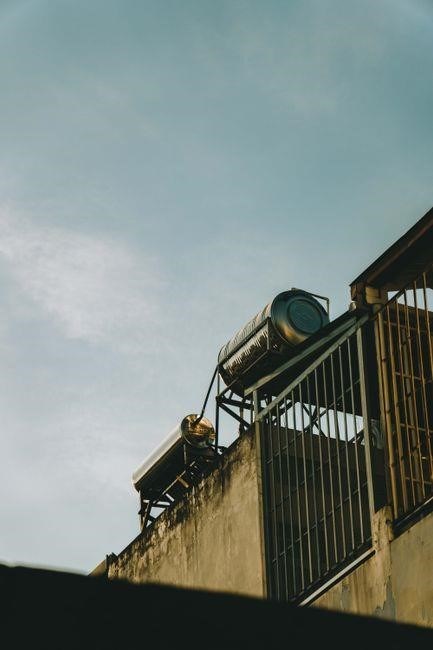
Comparing Energy Ratings and Standards
Energy ratings guide buyers: the higher the rating, the lower the annual cost. Standards like Energy Star, DOE, and EU label help compare efficiency, standby loss, and capacity. Read the numbers, not just the label, to choose the best value. See bill now
3.1 Energy Star and Other Labels
When selecting a hot water heater, the Energy Star label indicates reliable efficiency. Energy Star units typically have higher energy factor (EF) ratings, converting more of the electrical or gas input into usable hot water. The label reflects compliance with strict DOE testing protocols, ensuring consistent performance across models.
In addition to Energy Star, manufacturers may display other certification marks such as the U.S. Department of Energy (DOE) Energy Efficiency Guide, the European Union’s Energy Label, or the ENERGY STAR for Water Heaters. Each label provides a concise summary of key metrics:
- Energy Factor (EF) – the ratio of heat delivered to energy consumed over a year.
- Standby Loss – the amount of heat lost while the tank remains at set temperature.
- Capacity – gallons of hot water available at a specified temperature.
Comparing these figures lets consumers assess which unit meets their usage patterns while minimizing operating costs. For example, a tank with a higher EF but larger standby loss may be less economical for frequent, short showers. Conversely, a smaller tank with a lower EF but minimal standby loss can suit low‑usage homes.
To interpret the labels, look for the “Annual Energy Use” estimate, translating the EF into kilowatt‑hours per year. Combined with local utility rates, it shows expected monthly expenses. Check the “Warranty” and “Manufacturer’s Guarantee” sections, which often correlate with durability and long‑term efficiency.
Ultimately, Energy Star and other labels provide a quick reference for consumers balancing upfront cost and long‑term savings. Reviewing specifications and household demand helps buyers make an informed decision supporting budget and environmental goals!
3.2 Interpreting Efficiency Ratings
Efficiency ratings translate technical data into consumer‑friendly numbers. The Energy Factor (EF) is the most common metric; it equals the total heat output over a year divided by the electrical or gas input. A higher EF means more heat per unit of energy. For electric units, EF ranges from 0.55 to 0.95; for gas, the equivalent is the Annual Fuel Utilization Efficiency (AFUE). AFUE values above 90% are considered highly efficient.
Standby loss, measured in BTU/hr, indicates heat lost while the tank remains at set temperature. Lower standby loss reduces idle consumption. When comparing models, look at both EF and standby loss: a unit with a slightly lower EF but minimal standby loss can outperform a higher‑EF model in real‑world use, real savings in.
Annual Energy Use (AEU) estimates, often shown in kWh or therms, provide a yearly cost projection. Multiply AEU by local utility rates to estimate monthly bills. This figure helps compare upfront price versus long‑term savings. Remember that ratings assume typical usage; actual savings depend on household habits.
Finally, check the “Operating Cost” column in manufacturer data sheets. It lists the expected cost per year based on standard usage patterns. Combine this with warranty length and maintenance requirements to gauge overall value. A balanced view of EF, standby loss, AEU, and operating cost leads to an informed, energy‑wise purchase.
Choosing the Right Heater for Your Home
Selecting the ideal hot water heater hinges on balancing capacity, efficiency, and budget. Assess your household’s peak demand, compare Energy Factor ratings, and factor in installation costs. A well‑chosen unit delivers comfort, lowers bills, and extends longevity. Choose wisely for lasting comfort

4.1 Cost vs. Savings
When evaluating a hot water heater, the initial purchase and installation cost must be weighed against long‑term operating savings. A higher‑efficiency model often carries a premium price, but it reduces kilowatt‑hour consumption, lowering monthly utility bills. Calculate the payback period by dividing the cost difference by the annual savings. For example, a $1,200 unit that saves $150 per year pays back in eight years. Consider additional incentives such as federal tax credits, state rebates, or local utility rebates that can offset the upfront expense. Maintenance costs also influence the total cost of ownership; a well‑maintained tank can last 15–20 years, whereas a neglected unit may fail prematurely, incurring replacement costs. Energy‑star ratings provide a quick benchmark: a unit with an Energy Factor of 0.95 will typically use 20–30% less energy than a standard 0.80 model. Don’t forget to factor in installation complexity—tankless systems may require upgraded gas lines or electrical panels, adding to the initial outlay. Finally, evaluate your household’s usage patterns: a family of five will benefit more from a larger, more efficient tank than a single‑person household. By balancing upfront cost, operating savings, incentives, and maintenance, you can select a heater that delivers both comfort and long‑term financial value. Invest in a higher‑efficiency heater pays off over time, as the energy savings can offset the initial premium and contribute to a greener future! Save now.
4.2 Installation Considerations

Choosing a hot water heater is only the first step; proper installation determines performance, safety, and longevity. Begin with a thorough site assessment: verify that the proposed location meets local building codes, has adequate ventilation for gas units, and sufficient clearance for maintenance. For electric models, ensure the electrical panel can handle the heater’s amperage without tripping breakers; upgrade if necessary. Gas units require a venting system that complies with manufacturer specifications—direct vent, power vent, or atmospheric vent—each with distinct clearance and draft requirements. A licensed plumber or HVAC technician should perform all gas connections to guarantee leak‑free seals and correct pressure settings. If upgrading from a tank to tankless system, evaluate the existing water supply pressure and pipe diameter; larger pipes or booster pumps may be needed to deliver adequate flow. Install a pressure relief valve and temperature‑safety valve in accordance with code to prevent over‑pressure or overheating. Label all shut‑off valves and provide clear access for future maintenance. Consider future expansion: installing a larger tank or adding a second heater for high‑demand households can be easier if the initial installation includes extra conduit or venting. Finally, document the installation with a service record; this aids warranty claims and resale value. A meticulous installation not only protects your investment but also ensures reliable, efficient hot water for years to come. Before finalizing the installation, obtain all required permits and schedule a professional inspection. Inspectors verify venting, gas line integrity, and electrical connections, ensuring compliance with local codes. All work should be inspected technician to safety!!

Maintenance Tips to Maximize Efficiency

Regular maintenance keeps a hot water heater running at peak efficiency and extends its lifespan. First, flush the tank annually to remove sediment that insulates water and forces the heating element to work harder. Use a hose to drain the tank, then refill and run the heater until the water temperature stabilizes. Second, inspect the anode rod every 1–2 years; replace it when it’s corroded to prevent tank corrosion. Third, check the temperature‑setting dial; keep it between 120 °F (49 °C) and 125 °F (52 °C) to save energy while preventing scalding. Fourth, examine the pressure relief valve for proper operation; a quick test involves lifting the valve’s lever to release a small burst of water—if nothing comes out, replace it. Fifth, monitor the water heater’s venting system for blockages or leaks; clear debris and ensure the vent is sealed. Sixth, inspect the insulation around the tank; replace old foam or add new insulation to reduce heat loss. Seventh, check the water pressure; high pressure can strain the heater, while low pressure can reduce heating efficiency. Eighth, verify the gas or electric connections for leaks or loose fittings; tighten as needed. Ninth, test the thermostat accuracy with a thermometer; recalibrate if readings differ from setpoint. Tenth, schedule a professional inspection every 5 years to verify gas lines, electrical connections, overall safety, and to perform a comprehensive check of all components. By following these steps, you’ll reduce energy consumption, avoid costly repairs, and enjoy reliable hot water for years Remember to keep heater free and of obstructions
Related Posts
alaska tv guide
Alaska TV Guide⁚ A Comprehensive Overview Navigating television in Alaska…

guide for grading
Grading guides, like rubrics and checklists, offer a structured approach…