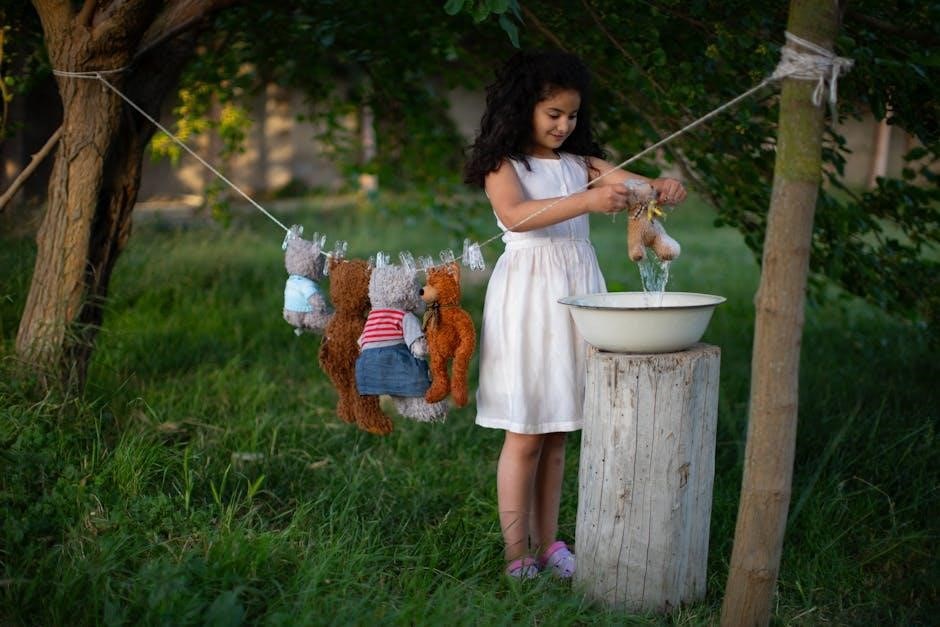
Jellycat Washing Instructions: A Comprehensive Guide
Maintaining your cherished Jellycat companion requires careful attention; this guide details optimal cleaning methods‚ ensuring lasting softness and preventing damage to these beloved plush toys.
Understanding Jellycat Materials
Jellycat plush toys are renowned for their incredibly soft and luxurious feel‚ achieved through a combination of carefully selected materials. The outer fabric is typically a super-soft‚ plush velvet or cotton blend‚ designed for maximum cuddliness. However‚ this delicate nature necessitates a gentle approach to cleaning.
Internally‚ Jellycats are usually filled with 100% polyester fibres‚ offering excellent resilience and shape retention. While polyester is relatively durable‚ excessive heat or harsh agitation can cause clumping or distortion. Understanding this composition is crucial; avoid methods that could compromise the integrity of either the outer fabric or the inner filling.
Different Jellycat collections may incorporate unique embellishments like ribbons‚ embroidered details‚ or delicate accessories. These additions require extra caution during washing‚ as they may be more susceptible to damage. Always check for specific care instructions attached to your Jellycat‚ if available‚ to tailor your cleaning approach accordingly.
The Importance of Gentle Cleaning
Preserving the cherished softness and appearance of your Jellycat requires a commitment to gentle cleaning practices. Unlike more robust toys‚ Jellycats’ delicate materials are prone to damage from harsh treatments; Aggressive washing‚ high temperatures‚ or vigorous wringing can distort the shape‚ mat the fur‚ and even compromise the internal stitching.
Harsh detergents containing strong chemicals or bleach should be strictly avoided‚ as they can strip the fabric of its natural oils and cause fading. Opting for mild‚ liquid detergents specifically designed for delicate fabrics is paramount. Prioritizing gentle methods ensures your Jellycat retains its signature huggable texture and vibrant colour for years to come.
Remember‚ a little preventative care goes a long way. Regular fluffing and spot cleaning can minimize the need for full washes‚ extending the life of your beloved companion. Prioritizing gentleness is not merely a suggestion‚ but a necessity for maintaining the quality of your Jellycat.
Hand Washing Your Jellycat
For a safe and thorough clean‚ hand washing is often preferred; it allows for gentle agitation and careful control‚ protecting your Jellycat’s delicate construction;
Preparing for Hand Washing
Before beginning the hand washing process‚ a little preparation goes a long way in ensuring a successful and gentle clean for your Jellycat friend. First‚ carefully inspect your Jellycat for any loose seams or embellishments; address these with simple stitching before washing to prevent further damage during the process.
Next‚ remove any accessories like bows or clothing‚ as these may require separate cleaning or could become detached. Choose a clean basin or sink – ensuring it’s free from any residual cleaning products is crucial. A plastic basin is ideal‚ as it won’t react with the detergent.
Finally‚ prepare a soft towel for the post-wash reshaping and drying stage; having this ready will streamline the process and help your Jellycat retain its adorable form. Remember‚ gentle handling throughout is key to preserving its cuddliness!
Water Temperature and Detergent Choice
Crucially‚ water temperature plays a significant role in preserving your Jellycat’s delicate materials. Always opt for cool water; warm or hot water can damage the fibers and cause discoloration. Cool water helps to gently lift dirt without compromising the plush’s integrity.
Regarding detergent‚ mildness is paramount. Harsh chemicals can strip the softness and potentially harm the Jellycat’s fur. A gentle liquid detergent‚ specifically designed for delicates or baby clothes‚ is the best choice; Avoid detergents containing bleach‚ fabric softeners‚ or strong fragrances.
Use only a small amount of detergent – a capful is usually sufficient for a basin of water. Excessive detergent can be difficult to rinse out completely‚ leaving a residue that attracts dirt. Remember‚ a gentle approach with both temperature and detergent is vital for a successful clean!
The Washing Process: Gentle Agitation
Once your Jellycat is submerged in the cool‚ soapy water‚ the washing process requires a delicate touch. Avoid vigorous scrubbing or harsh movements‚ as these can distort the plush’s shape and damage the fibers. Instead‚ gently agitate the water with your hands‚ creating a swirling motion to distribute the soapy water evenly.
Carefully squeeze the Jellycat to work the soapy water through the fur‚ focusing on any visibly soiled areas. Avoid twisting‚ wringing‚ or stretching the plush‚ as this can compromise its internal structure. Think of it as a gentle massage rather than a rigorous cleaning.
Continue this gentle agitation for several minutes‚ ensuring the entire Jellycat is thoroughly saturated with the cleaning solution. Patience is key; a gentle approach yields the best results‚ preserving the plush’s softness and shape.
Rinsing Thoroughly
After the gentle washing process‚ complete removal of soap residue is crucial to prevent skin irritation and maintain the Jellycat’s softness. Begin by draining the soapy water and refilling the basin with clean‚ cool water. Submerge the Jellycat and gently squeeze it to release any remaining detergent.
Repeat this rinsing process multiple times‚ using fresh water each time‚ until the water runs completely clear. Pay close attention to areas where soap may accumulate‚ such as seams and around facial features. Continue squeezing gently‚ avoiding twisting or wringing.
Ensure no soapy residue remains‚ as this can attract dirt and dust‚ diminishing the plush’s appearance over time. A thorough rinse is paramount for a clean‚ fresh‚ and huggable Jellycat!
Removing Excess Water: Squeezing‚ Not Twisting
Following a thorough rinse‚ removing excess water is vital before drying. However‚ traditional wringing or twisting can severely damage the delicate internal structure and fibers of your Jellycat‚ leading to deformation. Instead‚ employ a gentle squeezing technique.
Carefully cup your hands around the Jellycat and gently press‚ encouraging water to escape. Repeat this process across the entire body‚ focusing on areas that retain more moisture. Avoid applying excessive pressure‚ which could still cause damage.
This method‚ while slower‚ preserves the plush’s shape and integrity. Patience is key! Continue squeezing until the Jellycat is no longer dripping‚ but still damp. Preparing for air drying is the next crucial step.
Air Drying and Reshaping
Once excess water is removed through gentle squeezing‚ air drying is the safest method for your Jellycat. Avoid direct sunlight or any heat source – radiators‚ dryers‚ or direct exposure can melt synthetic fibers and cause irreversible damage. Lay the Jellycat flat on a clean‚ dry towel in a well-ventilated area.
As it dries‚ periodically reshape the plush to maintain its original form. Gently fluff the fur with your fingers‚ paying attention to limbs and facial features. This prevents matting and ensures a consistent appearance.
Turning the Jellycat periodically will promote even drying. Allow ample time for complete dryness‚ potentially several days‚ depending on humidity. A fully dry Jellycat will regain its signature softness and cuddliness.
Machine Washing Your Jellycat (With Caution)
While possible‚ machine washing requires caution; a delicate cycle with low spin and a garment bag is crucial to protect your Jellycat’s delicate features.
Is Machine Washing Recommended?
Generally‚ hand washing is the preferred method for cleaning your Jellycat plush‚ as it offers the gentlest approach and minimizes the risk of damage. However‚ machine washing can be considered for certain Jellycats‚ but only with significant precautions. It’s not universally recommended due to the potential for deformation‚ especially for older or more delicate models.
The internal structure of some Jellycats‚ including their bean filling‚ can be disrupted by the agitation of a washing machine. This can lead to uneven distribution of the beans‚ resulting in a floppy or misshapen toy. Furthermore‚ the delicate fabrics used in Jellycats are susceptible to wear and tear during a machine wash cycle.
If you choose to machine wash‚ proceed with extreme care and follow the detailed instructions provided in subsequent sections regarding garment bags‚ wash cycles‚ temperature settings‚ and detergent choices. Always assess the Jellycat’s condition before deciding if machine washing is appropriate; if in doubt‚ opt for hand washing.
Using a Delicate Garment Bag
If you decide to machine wash your Jellycat‚ enclosing it within a delicate garment bag is absolutely crucial. These bags‚ typically constructed from mesh or netting‚ provide a protective barrier against the harsh tumbling action inside the washing machine. This minimizes friction and prevents snagging or tearing of the Jellycat’s delicate fur and seams.
A garment bag acts as a shield‚ reducing the direct impact of the washing machine’s agitator and preventing the Jellycat from becoming tangled with other items. Look for a zippered bag specifically designed for delicate garments; the zipper ensures the Jellycat remains securely contained throughout the wash cycle.
Ensure the bag is appropriately sized – not too large‚ allowing excessive movement‚ and not too small‚ causing overcrowding. A properly fitted garment bag significantly enhances the safety of machine washing‚ offering a vital layer of protection for your treasured plush companion.
Selecting the Right Wash Cycle
Choosing the appropriate wash cycle is paramount when machine washing a Jellycat to prevent damage. Opt for the most gentle cycle available on your washing machine – typically labeled “delicate‚” “hand wash‚” or “gentle.” These cycles utilize slower agitation speeds and reduced spin cycles‚ minimizing stress on the plush toy’s fibers and construction.
Avoid cycles designed for heavier items like towels or jeans‚ as these employ vigorous agitation that could distort the Jellycat’s shape or cause tearing. A shorter cycle duration is also preferable‚ ideally around 20 minutes‚ to limit the overall exposure to water and mechanical action.
Prioritize cycles that emphasize a thorough rinse to ensure all detergent residue is removed‚ preventing skin irritation or discoloration of the fur. Remember‚ gentleness is key; a delicate cycle is your Jellycat’s best defense against machine washing mishaps.
Temperature and Spin Speed Settings
Maintaining the integrity of your Jellycat’s materials hinges on carefully selected temperature and spin speed settings. Always use cool water – a maximum of 30 degrees Celsius (86 degrees Fahrenheit) – to prevent color fading and fiber damage. Hot water can cause the plush to shrink or become misshapen‚ irreversibly altering its appearance;
Equally crucial is a low spin speed. High spin cycles can aggressively wring out the Jellycat‚ potentially stretching its seams or distorting its form. Select the lowest spin speed available on your machine‚ or even a “no spin” option if offered‚ to minimize stress during the water extraction phase.
These gentle settings work in harmony to cleanse your Jellycat effectively while safeguarding its delicate construction and ensuring it retains its beloved softness and shape for years to come.
Detergent Considerations for Machine Washing
Selecting the appropriate detergent is paramount when machine washing your Jellycat. Harsh chemicals and strong enzymes found in many conventional detergents can strip the plush of its softness and potentially cause discoloration. Opt for a gentle‚ liquid laundry detergent specifically formulated for delicate fabrics or baby clothes.
Avoid detergents containing bleach‚ fabric softeners‚ or optical brighteners‚ as these can be particularly damaging. Powdered detergents are generally not recommended‚ as they may not dissolve completely and can leave residue within the Jellycat’s fibers.
Use a minimal amount of detergent – less is often more – to ensure thorough rinsing and prevent irritation to sensitive skin. A small capful is usually sufficient for a standard load‚ safeguarding your Jellycat’s pristine condition.

Specific Jellycat Types & Washing
Different Jellycat designs may require slightly adjusted care; understanding material variations is key to preserving their unique textures and shapes during the cleaning process.
Washing Jellycat Bunnies
Jellycat bunnies‚ with their often delicate ears and fluffy tails‚ require a particularly gentle approach to washing. Hand washing is generally the safest method for these adorable plushies‚ minimizing the risk of damage to their features. Begin by filling a basin with cool water and a small amount of mild‚ liquid detergent – baby shampoo works wonderfully!
Submerge the bunny and gently agitate the water to distribute the soap‚ carefully squeezing to work the soapy water through the fur. Avoid any twisting or wringing‚ as this can distort the bunny’s shape and potentially tear the delicate fabric. Once clean‚ thoroughly rinse under cool‚ running water until all traces of soap are gone.
To remove excess water‚ gently squeeze – do not twist – and then wrap the bunny in a clean towel. Allow it to air dry completely‚ periodically fluffing the fur to restore its original shape. Pay close attention to the ears‚ gently reshaping them as they dry. Machine washing‚ while possible with a delicate garment bag and low spin cycle‚ is best avoided for bunnies with intricate details.
Washing Jellycat Bears
Jellycat bears‚ known for their cuddly nature‚ can usually withstand a bit more washing attention than some other Jellycat designs‚ but still require care. Hand washing remains the preferred method‚ especially for bears with embroidered details or delicate features. Prepare a basin of cool water with a mild liquid detergent‚ ensuring it’s fully dissolved before submerging your bear.
Gently agitate the water‚ squeezing the bear to distribute the soapy solution throughout its fur. Avoid harsh scrubbing or twisting‚ which could damage the plush; Rinse thoroughly under cool‚ running water until no soap residue remains. Removing all traces of detergent is crucial to prevent skin irritation.
Machine washing is an option‚ but only on a delicate cycle within a protective garment bag‚ using a gentle detergent and a low spin speed; After washing‚ gently squeeze out excess water (never wring!) and allow the bear to air dry completely‚ fluffing the fur periodically to maintain its shape and softness.
Washing Jellycat Bashfuls
Bashful Jellycats‚ with their signature floppy ears and gentle expressions‚ benefit from particularly delicate cleaning. Hand washing is strongly recommended to preserve their shape and softness. Begin by filling a basin with cool water and a small amount of mild liquid detergent‚ ensuring it’s thoroughly mixed.
Submerge the Bashful and gently agitate the water‚ squeezing to work the soapy solution through the fur. Avoid any twisting or wringing motions‚ as this can distort the plush’s form. Rinse meticulously under cool‚ running water until all detergent is removed‚ as residue can attract dirt.
If machine washing‚ use a delicate garment bag and a 30-degree Celsius cycle with a low spin speed. After washing‚ gently squeeze out excess water and reshape the Bashful while it air dries. Regular fluffing during drying will help restore its characteristic cuddliness.

Dealing with Stains
Prompt attention to stains is crucial; spot cleaning minor marks with a damp cloth is ideal‚ while more stubborn blemishes may require gentle detergent application.
Spot Cleaning for Minor Marks
For light blemishes or small marks on your Jellycat‚ spot cleaning offers a gentle and effective solution‚ minimizing the risk of overall washing damage. Begin by preparing a mild cleaning solution – a tiny amount of gentle liquid detergent mixed with cool water is perfect. Dip a clean‚ soft cloth into the solution‚ ensuring it’s damp‚ not soaking wet.
Gently blot the stained area‚ working from the outside inwards to prevent spreading. Avoid vigorous rubbing‚ as this can distort the plush fibers. Continue blotting with clean sections of the cloth until the mark begins to lift. Once the stain appears to be gone‚ use a separate clean‚ damp cloth to rinse away any remaining detergent residue.
Finally‚ blot the area dry with a clean‚ dry towel. Allow the spot-cleaned area to air dry completely before handling or displaying your Jellycat. This method is ideal for everyday spills and keeps your plush friend looking its best between more thorough cleans.
Addressing More Stubborn Stains
When faced with more persistent stains on your Jellycat‚ a slightly more focused approach is needed‚ but still prioritizing gentleness. Create a paste using a small amount of mild detergent and cool water; apply this directly to the stain. Let the paste sit for approximately 15-30 minutes‚ allowing it to break down the stain’s components.
After the waiting period‚ gently work the paste into the stain using a soft-bristled brush – an old toothbrush works wonderfully. Use circular motions‚ being careful not to scrub too harshly. Rinse thoroughly with cool water‚ ensuring all traces of the paste are removed. Blot the area with a clean towel to absorb excess moisture.
For particularly difficult stains‚ consider repeating the process. If the stain persists‚ professional plush toy cleaning services may be the best option to avoid damaging your Jellycat’s delicate materials. Always allow the area to air dry completely.
Drying Your Jellycat
Proper drying is crucial for maintaining your Jellycat’s shape and softness; avoid direct heat and sunlight‚ opting for gentle air drying for optimal results.
Avoiding Direct Sunlight and Heat
Exposure to direct sunlight can cause the vibrant colors of your Jellycat to fade over time‚ diminishing its original charm and appearance. Similarly‚ applying direct heat – whether from a radiator‚ hairdryer‚ or tumble dryer – poses a significant risk of damaging the delicate plush fibers. High temperatures can melt or distort the synthetic materials used in Jellycat construction‚ leading to irreversible changes in texture and shape.
Instead‚ prioritize a cool‚ well-ventilated space for drying. Lay your Jellycat flat on a clean‚ dry towel‚ or gently drape it over a drying rack‚ ensuring adequate airflow around the entire toy. Regularly turning and fluffing the Jellycat during the drying process will help maintain its shape and promote even drying. Patience is key; allowing ample time for air drying prevents potential damage and preserves the beloved softness of your Jellycat for years to come.
Ensuring Complete Dryness
Thorough drying is paramount to prevent mold or mildew growth within your Jellycat’s stuffing‚ which can cause unpleasant odors and potentially damage the toy’s internal structure. Even if the surface feels dry to the touch‚ moisture can linger deep within the plush fibers‚ creating a breeding ground for unwanted microorganisms. A damp Jellycat is also more susceptible to attracting dust and dirt‚ compromising its cleanliness.
To guarantee complete dryness‚ gently massage the Jellycat throughout the drying process‚ fluffing the fur and redistributing the stuffing. Periodically check the core of the toy by carefully pressing into it; if any dampness is detected‚ continue air drying. Consider placing the Jellycat near a fan to enhance airflow‚ but avoid direct heat sources. A fully dry Jellycat will retain its shape‚ softness‚ and overall pristine condition‚ ensuring lasting enjoyment.
Long-Term Care and Maintenance
Regular fluffing revitalizes the fur‚ while careful storage—away from direct sunlight—preserves color and shape‚ ensuring your Jellycat remains a cherished companion for years to come.
Regular Fluffing and Grooming
To maintain the delightful plushness of your Jellycat‚ incorporate regular fluffing into your care routine. Gently brush the fur with a soft-bristled brush‚ or simply use your hands to lift and separate the fibers. This helps to restore the original loft and prevent matting‚ especially after washing or prolonged cuddling.
Consistent grooming not only enhances the appearance but also distributes the filling evenly‚ preventing lumps and maintaining a consistently huggable form. Pay particular attention to areas prone to flattening‚ such as the face‚ paws‚ and belly. A little effort goes a long way in preserving the overall quality and charm of your Jellycat friend. Remember‚ a well-fluffed Jellycat is a happy Jellycat!
Consider this a bonding experience – a gentle way to show your plush some love and keep them looking their best for years to come.
Storage Recommendations
When not actively enjoyed‚ proper storage is crucial for preserving your Jellycat’s pristine condition. Avoid storing in tightly sealed plastic bags‚ as this can trap moisture and lead to mildew or a flattened appearance. Instead‚ opt for breathable storage solutions like cotton pillowcases or open shelving.
Protect your Jellycat from direct sunlight and dust by storing them in a cool‚ dry place away from potential hazards. If stacking‚ ensure the weight is evenly distributed to prevent crushing or distortion. For long-term storage‚ consider placing a sachet of lavender or cedar chips nearby to deter moths and maintain a fresh scent.
Regularly check on stored Jellycats‚ fluffing them periodically to restore their shape and prevent prolonged compression. Thoughtful storage ensures your beloved plush remains a cherished companion for generations.
Related Posts

air fly pro instructions
The Air Fly Pro enables seamless wireless audio transmission, transforming…
door closer adjustment instructions
Overview of Door Closers Door closers regulate swing speed and…