
RANCO ETC Manual: A Comprehensive Guide
This manual provides detailed instructions for installing, programming, and troubleshooting RANCO ETC series two-stage electronic temperature controls, ensuring optimal performance and longevity․
Genuine OEM replacement parts and comprehensive specifications for models like ETC-241020-000, ETC-211000-000, and ETC-141000-000 are included for easy reference․
RANCO ETC controllers represent a cornerstone in precise temperature management, particularly within the commercial refrigeration and foodservice industries․ These electronic controls are designed for reliable two-stage temperature regulation, offering a significant upgrade over traditional mechanical thermostats․
The ETC series, encompassing models like the ETC-111000, ETC-211000, and ETC-241020-000, provides users with adaptable solutions for diverse applications․ They are known for their accuracy, durability, and ease of programming․
This guide serves as a comprehensive resource, detailing everything from initial installation and wiring procedures to advanced programming techniques and troubleshooting common issues․ Understanding the functionality of these controllers is crucial for maintaining optimal system performance and ensuring consistent temperature control, ultimately contributing to energy efficiency and product preservation․
What is a RANCO ETC Controller?
A RANCO ETC controller is a sophisticated, two-stage electronic temperature control system utilized extensively in refrigeration and heating applications․ It functions as the “brain” of a temperature-regulated environment, precisely monitoring and maintaining desired setpoints․
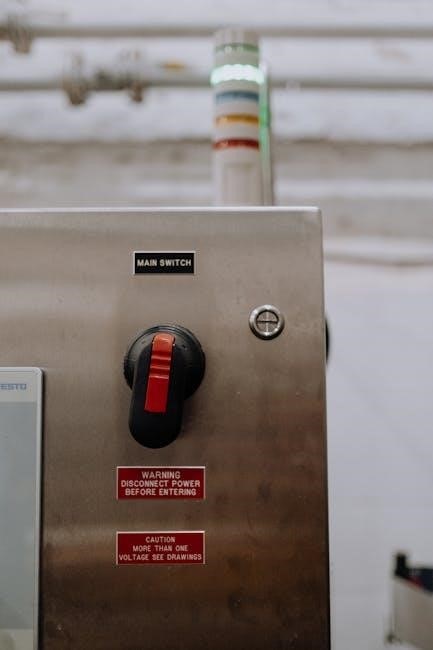
Unlike traditional thermostats, the ETC controller offers digital accuracy and programmability, allowing for customized control parameters like set point temperature and differential settings․ The controller operates by cycling between two stages – typically “on” and “off” – to achieve and maintain the target temperature․
These controllers are genuine OEM (Original Equipment Manufacturer) parts, ensuring compatibility and reliability․ They feature clear display indicators, often utilizing blinking lights to signal operational status, and are designed for easy installation and troubleshooting, making them a preferred choice for professionals․
RANCO ETC Controller Series Overview (ETC-111000, ETC-211000, ETC-141000)
The RANCO ETC series encompasses several models tailored to diverse temperature control needs․ The ETC-111000 is a widely used electric temperature control, often found in commercial foodservice equipment․ ETC-211000 and its variants (ETC-211100-000, ETC-212000-000, ETC-212100-000) represent a robust two-stage electronic control suitable for a broad range of refrigeration applications․
The ETC-141000-000 is specifically designed as a one-stage refrigeration electronic temperature control, offering a simpler solution for less demanding applications․ Each model shares the core functionality of precise temperature maintenance but may differ in specific features and wiring configurations․
All models are designed for easy integration and are backed by comprehensive installation guides and user manuals, ensuring efficient operation and straightforward troubleshooting․ Selecting the appropriate model depends on the specific requirements of the application․
Installation Procedures
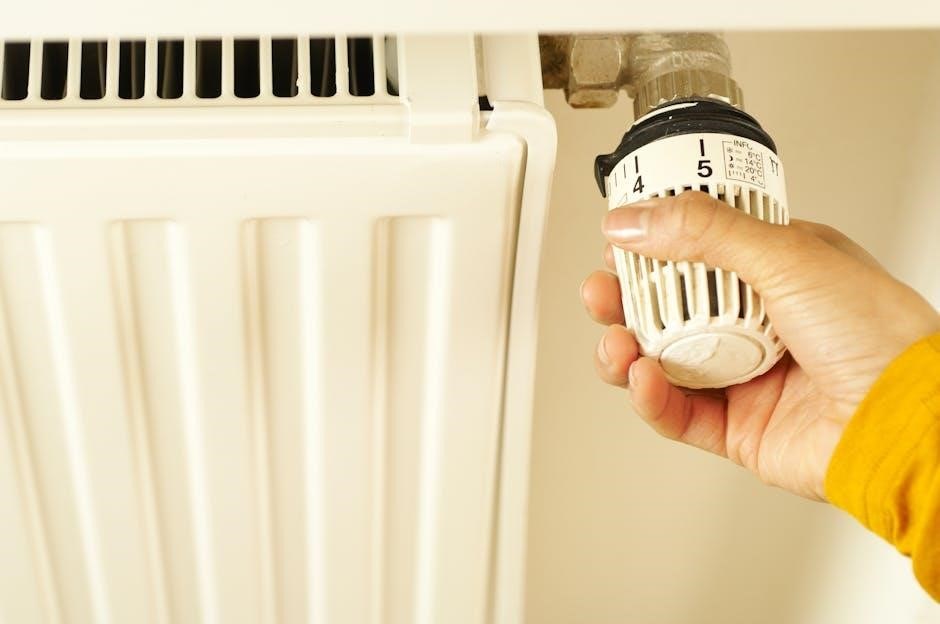
Proper installation requires strict adherence to safety precautions, accurate wiring diagrams, and secure mounting of the RANCO ETC controller for reliable operation․
Safety Precautions Before Installation
Prior to commencing any installation work with the RANCO ETC controller, it is absolutely crucial to disconnect the power supply to prevent electrical shock or damage to the equipment․ Always verify the power is off using a reliable testing device․ Ensure a qualified technician performs the installation, adhering to all local and national electrical codes․
Carefully inspect the controller and wiring for any signs of damage before installation․ Do not install a damaged unit․ Avoid installing the controller in environments with excessive moisture, dust, or extreme temperatures, as this can compromise its functionality and lifespan․ Proper grounding is essential for safety and accurate operation; follow the wiring diagrams meticulously․ Always wear appropriate personal protective equipment (PPE), including safety glasses and insulated gloves, during the installation process․ Failure to follow these precautions could result in serious injury or equipment malfunction․
Wiring Diagrams for Common Applications
The RANCO ETC controller’s versatility allows for integration into various systems․ Typical applications include refrigeration units, heating systems, and process control․ Wiring configurations vary depending on the specific application and control mode (single or two-stage)․ Refer to the detailed wiring diagrams provided in this manual for common setups, including those for heating, cooling, and simultaneous heating/cooling operations․
Ensure correct wire connections, paying close attention to the line voltage (typically 120V or 240V), sensor inputs, and relay outputs․ Incorrect wiring can lead to controller malfunction or damage․ The diagrams illustrate the connections for the temperature sensor, the controlled device (e․g․, compressor, heater), and the power supply․ Always double-check all connections before restoring power․ Consult a qualified electrician if you are unsure about any aspect of the wiring process․
Mounting the RANCO ETC Controller
Proper mounting is crucial for accurate temperature sensing and reliable operation of the RANCO ETC controller․ Select a location that is representative of the controlled environment, away from direct sunlight, drafts, and heat sources․ The controller should be mounted securely to a flat surface using appropriate screws or mounting hardware․ Ensure sufficient clearance around the controller for easy access and wiring․
Avoid mounting the controller in areas with excessive vibration or moisture․ The enclosure is designed to protect the internal components, but prolonged exposure to harsh conditions can compromise its integrity․ Verify that the mounting location does not obstruct airflow to or from the temperature sensor․ Carefully consider the sensor’s placement to ensure accurate readings and optimal control performance․ Follow all local electrical codes and safety regulations during installation․

Programming the RANCO ETC Controller
Effectively program the RANCO ETC controller by understanding control modes, setting precise temperature parameters, and mastering the SET key functions for optimal performance․
Understanding the Control Modes (Differential Mode)
The RANCO ETC controller primarily operates in a differential mode, a crucial aspect of its functionality․ This mode dictates how the controller manages temperature fluctuations, preventing rapid cycling of heating or cooling equipment․ The controller maintains temperature within a defined range, rather than attempting to hit a single setpoint precisely․
In differential mode, the controller activates the output (relay) when the temperature drops below the setpoint minus the differential․ It deactivates the output when the temperature rises above the setpoint plus the differential․ The blinking indicator signifies the controller is actively operating within this differential range․
Adjusting the differential allows customization for specific applications․ A smaller differential results in tighter temperature control, while a larger differential reduces equipment cycling․ Understanding this interplay is key to efficient and stable temperature management with your RANCO ETC controller․
Setting Temperature Parameters (Set Point, Differential)
Programming the RANCO ETC controller involves setting two primary temperature parameters: the setpoint and the differential․ The setpoint defines the desired target temperature for your application․ To adjust, use the up or down keys while in programming mode, observing the display for the current value․
The differential establishes the temperature range around the setpoint where the controller cycles the output․ A wider differential reduces equipment wear but allows for greater temperature variation․ To modify the differential, access the programming function after setting the setpoint․
Pressing the SET key navigates between parameters․ Refer to the illustrated guide on Page 3 for a visual walkthrough of the programming sequence․ Accurate setting of these parameters is vital for optimal temperature control and system efficiency․
Programming the SET Key Functions
The SET key is central to programming the RANCO ETC controller․ Initially, pressing SET initiates the programming sequence, allowing access to temperature parameters like the setpoint and differential․ Subsequent presses cycle through available settings, indicated by display changes․
After adjusting a parameter with the up or down keys, pressing SET confirms the new value and moves to the next setting․ Programming is completed by pressing SET one final time, returning the controller to normal operation․
Remember to consult Page 3 for an illustrated guide detailing the programming steps․ Understanding the SET key’s function is crucial for customizing the controller to your specific application and achieving precise temperature management․ Proper use ensures accurate and reliable control․
Operation and Functionality
RANCO ETC controllers offer two-stage temperature control, utilizing C2 and H2 designations, with blinking lights indicating differential mode for precise operation․
Display Indicators and Their Meanings (Blinking Lights)
Understanding the display indicators on your RANCO ETC controller is crucial for effective operation and troubleshooting․ A key indicator is the blinking light, which signifies the controller is actively operating in differential mode․ This mode indicates the temperature is within the acceptable range, and the system isn’t actively calling for heating or cooling․
The blinking pattern can vary slightly depending on the specific model (ETC-111000, ETC-211000, ETC-141000, etc․)․ However, consistent blinking generally confirms normal operation within the set parameters․ If the blinking is erratic or accompanied by other error codes, consult the troubleshooting section of this manual․
Furthermore, different blinking frequencies or combinations may indicate specific issues, such as sensor failures or relay problems․ Always refer to the detailed specifications for your particular RANCO ETC model to accurately interpret the display signals and ensure optimal performance of your temperature control system․
Two-Stage Temperature Control Explained
RANCO ETC controllers utilizing two-stage temperature control offer enhanced precision and efficiency compared to single-stage systems․ This functionality allows for two independent heating or cooling stages, providing more nuanced temperature regulation․ The first stage operates at a lower capacity, maintaining a baseline temperature, while the second stage engages for more significant temperature adjustments․
This system is particularly beneficial in applications requiring stable temperatures and minimizing energy consumption․ By utilizing the first stage for most of the operating time, the controller reduces wear and tear on the equipment and lowers energy costs․ The controller intelligently switches between stages based on the temperature differential and set parameters․
Effectively, two-stage control prevents temperature swings, ensuring a consistently comfortable and efficient environment․ Understanding this feature is key to maximizing the benefits of your RANCO ETC controller․
Understanding C2 and H2 Designations
The C2 and H2 designations on a RANCO ETC controller indicate the specific configuration of the temperature control stages․ ‘C2’ typically represents the cooling stage, while ‘H2’ signifies the heating stage․ These designations are crucial during programming and troubleshooting, as they define how the controller manages temperature adjustments․
Specifically, these codes relate to the setpoint temperature for each stage․ The controller uses these values to determine when to activate or deactivate the cooling or heating elements․ Proper understanding of these designations ensures accurate temperature regulation and optimal system performance․
When programming, carefully review the application requirements to correctly assign the C2 and H2 setpoints․ Incorrect settings can lead to inefficient operation or even damage to the controlled equipment․ Refer to the controller’s programming section for detailed instructions․

Troubleshooting Common Issues
This section details solutions for frequent problems like controller power failures, inaccurate temperature readings, and relay malfunctions, ensuring swift resolution and minimal downtime․
Controller Not Powering On
If the RANCO ETC controller fails to power on, begin by verifying the power supply connection․ Ensure the voltage matches the controller’s requirements, typically 120V or 240V, and that the wiring is secure․ Check the circuit breaker or fuse associated with the controller’s power source; a tripped breaker or blown fuse will prevent operation․
Inspect the wiring for any loose connections or damage․ A faulty wire can interrupt the power supply․ Confirm that the controller is receiving power using a multimeter to test the voltage at the terminals․ If power is present at the terminals but the controller remains unresponsive, the unit itself may be defective and require replacement․
Consider the possibility of a blown internal fuse within the controller, though access may require professional assistance․ Always disconnect power before inspecting internal components․ If troubleshooting steps fail, contact a qualified technician for further diagnosis and repair․
Incorrect Temperature Readings
If the RANCO ETC controller displays inaccurate temperature readings, first verify the sensor’s placement․ Ensure the temperature sensor is correctly positioned to measure the intended temperature and isn’t exposed to direct sunlight or other heat sources that could skew the results․ Confirm the sensor is securely mounted and making good contact with the surface․
Check the wiring connecting the sensor to the controller for any loose connections or damage․ A faulty connection can cause intermittent or inaccurate readings․ Calibrate the controller, if the model supports calibration, following the instructions in the programming section of this manual․
Consider sensor failure as a possibility; a damaged or degraded sensor will provide unreliable data․ Replace the sensor with a new, compatible unit to resolve the issue․ If problems persist, consult a qualified technician for further assistance․
Relay Issues and Solutions
If the RANCO ETC controller’s relay isn’t functioning correctly, the connected equipment may not turn on or off as programmed․ First, verify the relay is receiving power and that the wiring to the relay terminals is secure and undamaged․ Check the load connected to the relay; an overloaded circuit can cause the relay to fail․
Listen for a clicking sound when the relay should be switching – silence may indicate a faulty relay․ Inspect the relay contacts for signs of burning or corrosion, which can impede conductivity․ If the relay is defective, it must be replaced with a compatible OEM replacement part․
Ensure the controller is programmed correctly to activate the relay at the desired temperature settings․ Consult the programming section of this manual for detailed instructions․ If issues persist, seek assistance from a qualified HVAC/R technician․
Specifications and Models
This section details the technical specifications for RANCO ETC controllers, including models ETC-241020-000 and ETC-211000-000, alongside genuine OEM part information․
RANCO ETC-241020-000 Specifications
The RANCO ETC-241020-000 is a two-stage electronic temperature control designed for precise temperature management in various applications, particularly within the commercial foodservice industry․ This unit operates on a standard 120VAC power supply and features a wide temperature range, typically spanning from -40°F to 158°F (-40°C to 70°C), making it versatile for refrigeration and heating needs․
Key specifications include a relay output capacity of 24VAC/30VDC at 3A, suitable for controlling compressors, heaters, and fans․ The controller boasts a high accuracy of ±1°F (±0․6°C), ensuring consistent and reliable temperature control․ Its display provides clear indication of setpoint, process temperature, and control status, including blinking lights to signify differential mode operation․
Furthermore, the ETC-241020-000 is designed for easy programming, allowing users to set temperature parameters like setpoint and differential with intuitive key functions․ It’s a genuine OEM replacement part, guaranteeing compatibility and quality, and is ideal for applications requiring robust and dependable temperature regulation․
RANCO ETC-211000-000 Specifications
The RANCO ETC-211000-000 is a two-stage electronic temperature controller, part of the ETC series, designed for reliable and accurate temperature control in diverse applications․ Operating on 120VAC, this unit features a broad temperature range, generally from -40°F to 199°F (-40°C to 93°C), making it suitable for both heating and cooling systems․
Its relay output is rated for 24VAC/30VDC at 3A, capable of handling common loads like compressors and heaters․ The controller offers a temperature accuracy of ±1°F (±0․6°C), ensuring precise and consistent temperature maintenance․ The display clearly shows the current temperature and setpoint, with blinking indicators signaling differential mode․
Programming is straightforward, allowing for easy adjustment of setpoint and differential settings․ As a genuine OEM replacement part, the ETC-211000-000 guarantees compatibility and quality, making it a dependable choice for temperature control needs․ Detailed installation instructions are readily available for proper setup․
Genuine OEM Replacement Parts
Ensuring the longevity and optimal performance of your RANCO ETC controller relies on utilizing genuine Original Equipment Manufacturer (OEM) replacement parts․ These parts are specifically designed and tested to seamlessly integrate with your existing system, guaranteeing compatibility and reliability that aftermarket alternatives often lack․
RANCO, a trusted name in commercial foodservice equipment, provides a comprehensive range of replacement components, including the ETC-111000-000 electric temperature control․ Sourcing genuine parts minimizes the risk of malfunction, maintains warranty validity, and ensures consistent operation․
Avoid potential issues caused by inferior quality components; prioritize OEM parts for your RANCO ETC controller․ This commitment to quality translates to reduced downtime, increased efficiency, and peace of mind, knowing your temperature control system is operating at its peak performance․
Related Posts

frigidaire stacked washer dryer manual
Welcome to the Frigidaire Stacked Washer Dryer Manual! This guide…

relion prime glucose meter manual
Welcome to the ReliOn Prime Glucose Meter Manual. This guide…

mdb4949skz manual
Maytag MDB4949SKZ Dishwasher: A Comprehensive Manual Guide This guide provides…